आपकी प्रोफ़ाइल
 अर्जुन
बिग फाइव पर्सनैलिटी टेस्ट
पाँच बड़े गुणों और 30 पहलुओं में आपका व्यक्तित्व: अनुभव के लिए खुलापन, कर्तव्यनिष्ठा, बहिर्मुखता, सहमतता और मनोविक्षुब्धता। बाद में दोस्तों और पार्टनर से तुलना करें।
जानें कि आप कैसे सोचते, महसूस करते और व्यवहार करते हैं, और अपने साथी, परिवार या सहकर्मियों से अपनी तुलना करें। यह टेस्ट IPIP-NEO पर आधारित है, जो बिग फाइव के पीछे का ओपन रिसर्च मॉडल है। मुफ़्त, बिना साइन-अप।
अपने आप को दूसरों से बेहतर मानते हैं
आगे बढ़ने के लिए छल करते हैं
मानते हैं कि कुछ भी पूरी तरह सही या गलत नहीं होता
अच्छी-खासी लड़ाई में मज़ा आता है
मानते हैं कि अपराध के प्रति सख्ती बरतनी चाहिए
नियमों को तोड़ते हैं
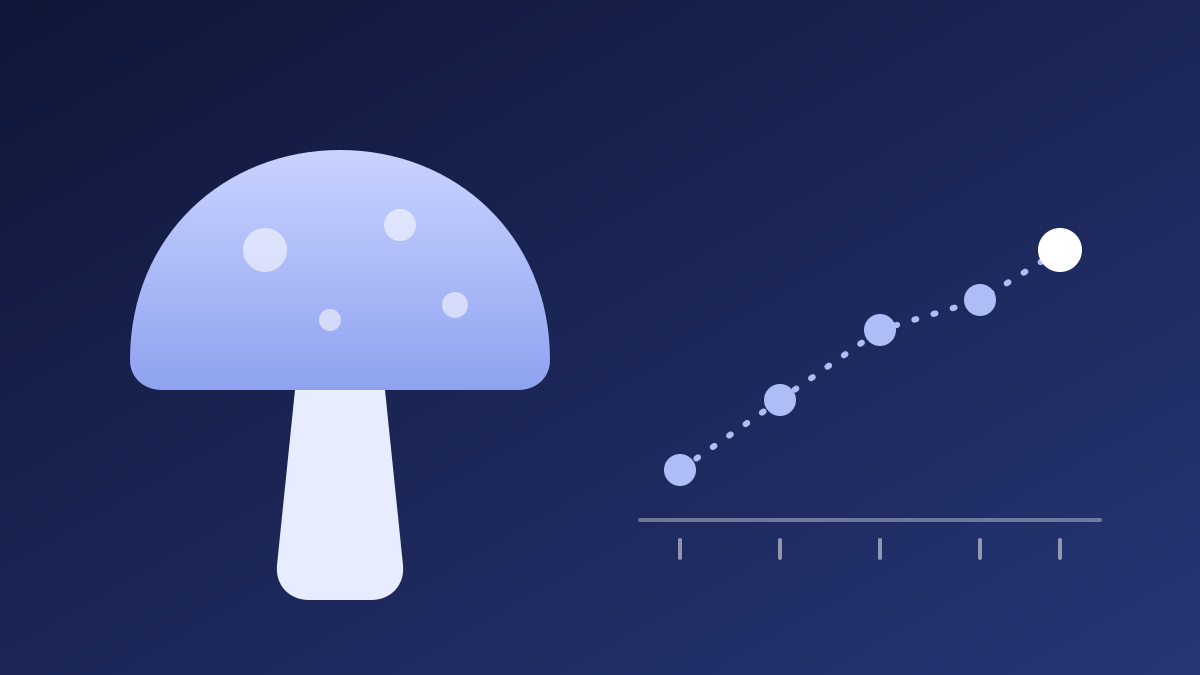
पाँच गुण। एक पूरी तस्वीर।
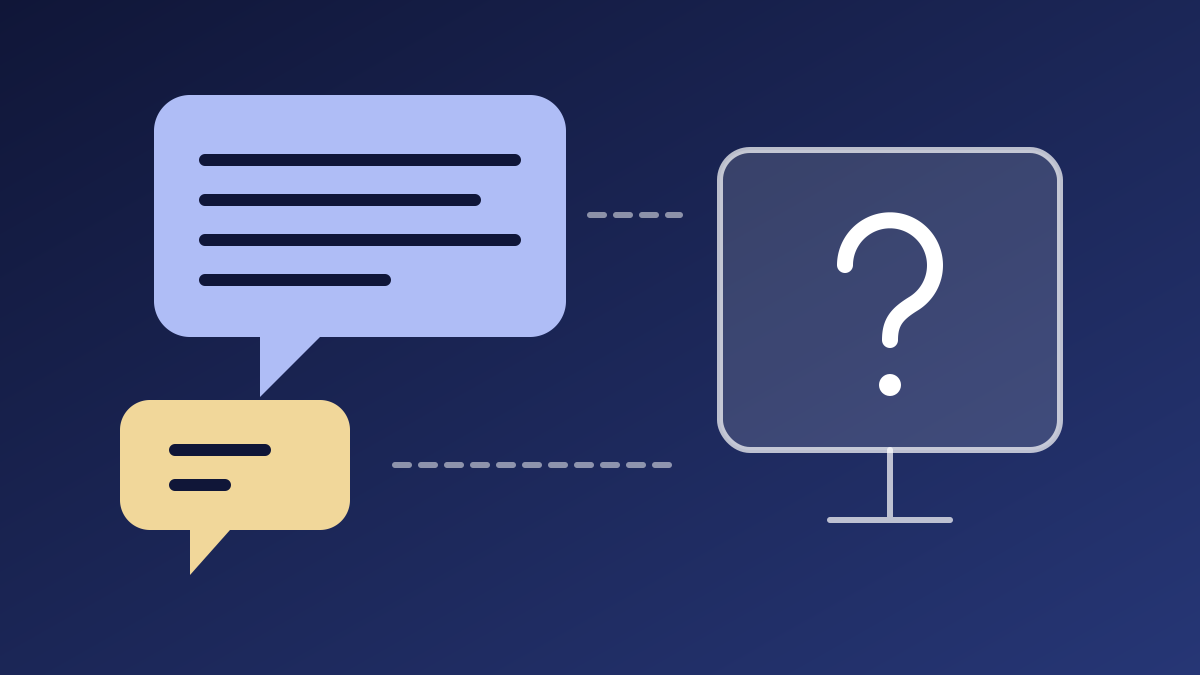
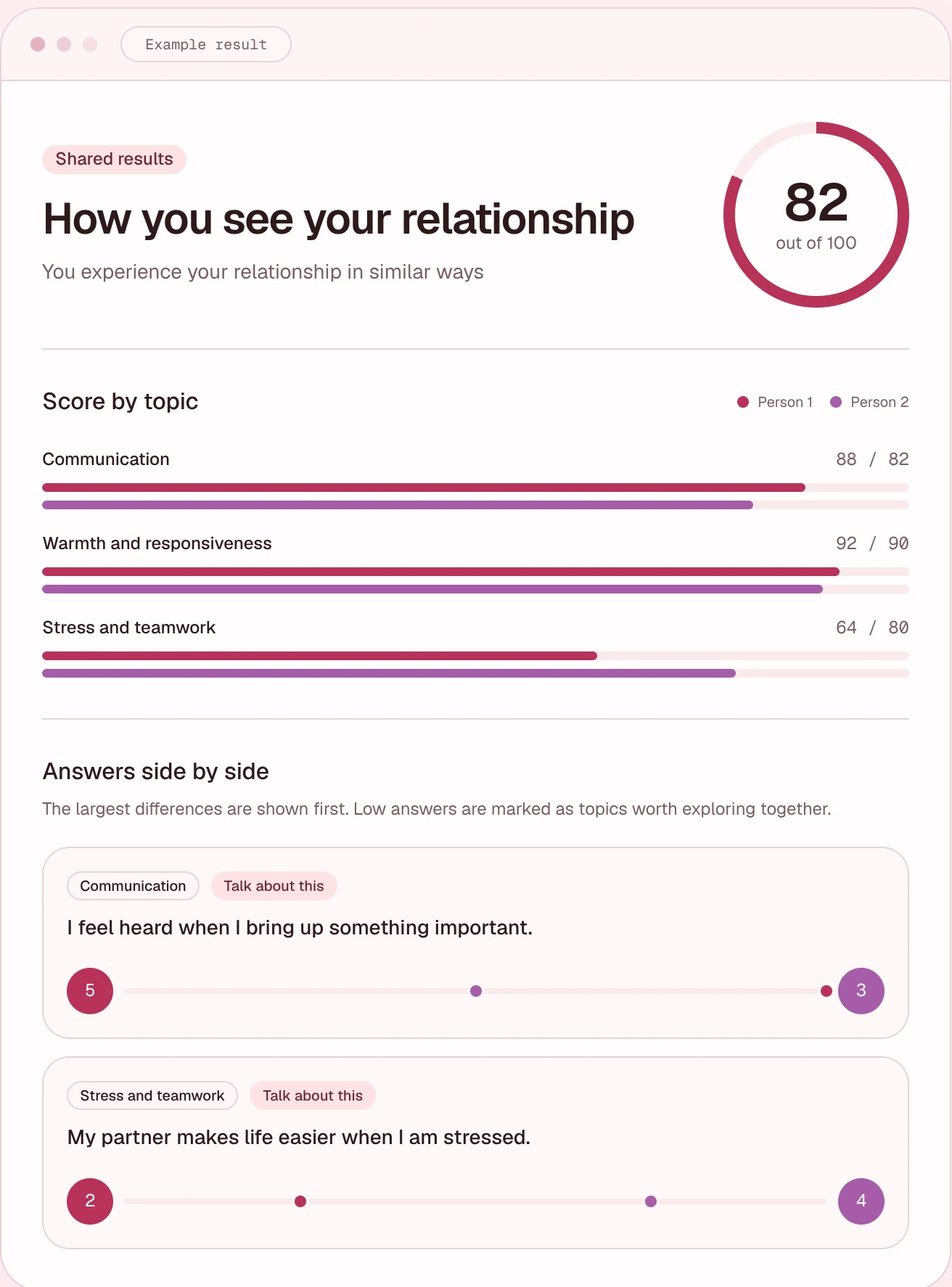
आपका साथी, परिवार, दोस्त या सहकर्मी। जब आप दोनों टेस्ट ले लेते हैं, तो आपको समानताएँ और अंतर साथ-साथ दिखते हैं, बात करने के लिए ठोस विषयों के साथ।
अपनी निजी प्रोफ़ाइल से शुरुआत करें।
दूसरा व्यक्ति अलग से उत्तर देता है।
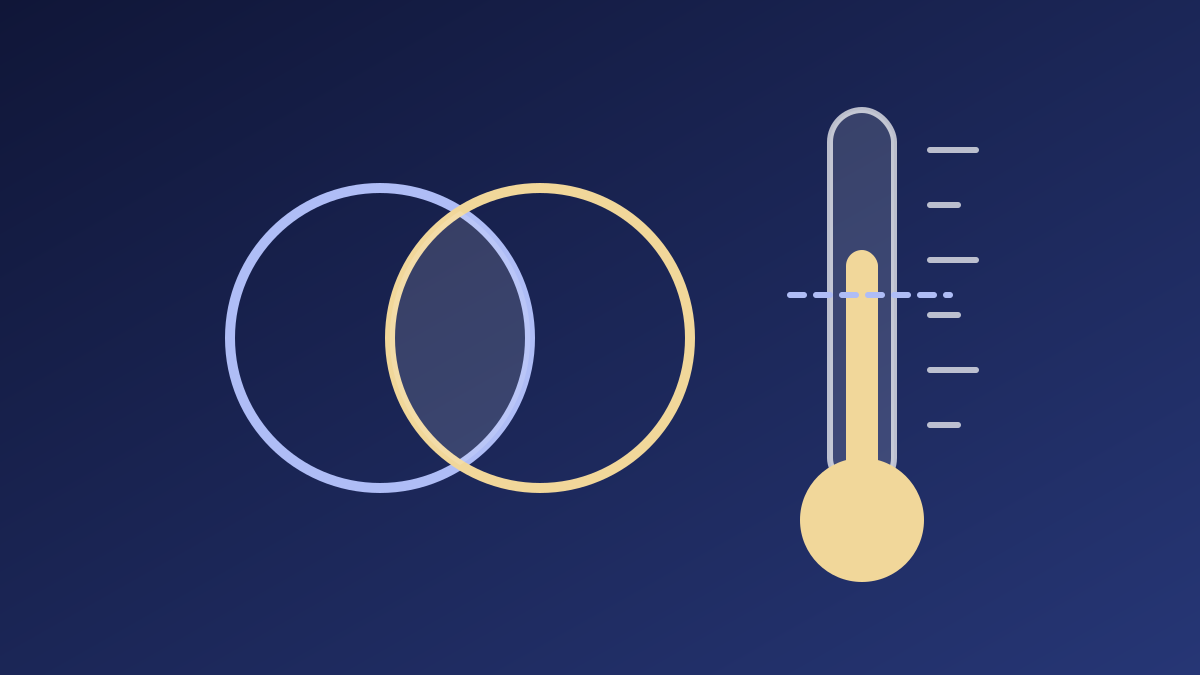
परिणाम समानताओं और अंतरों, दोनों को उजागर करता है।
3बातचीत के स्पष्ट विषय
इस अंतर को जिज्ञासु होने का निमंत्रण मानें, फ़ैसला नहीं।
Pair Perspective हमारा रिलेशनशिप टेस्ट है। 57 प्रश्नों के उत्तर अलग-अलग दें, फिर देखें कि आपकी साझा ताक़तें क्या हैं और किन अंतरों पर बात करना फ़ायदेमंद है।
बिग फाइव व्यक्तित्व को पाँच स्वतंत्र आयामों में बताता है। कोई प्रोफ़ाइल दूसरी से बेहतर नहीं है – यह बस अलग-अलग ताक़तों, ज़रूरतों और प्रवृत्तियों को दर्शाती है।
अपना पैटर्न जानेंजिज्ञासा, कल्पनाशीलता और नए विचारों में रुचि।
व्यवस्था, आत्म-अनुशासन और आप लक्ष्यों की ओर कैसे बढ़ते हैं।
आप अक्सर नए नज़रिए खोजते हैं और ऐसे विचारों का आनंद लेते हैं जो जाने-पहचाने को चुनौती देते हैं।
एक स्पष्ट अवलोकन से शुरू करें, फिर हर व्यक्तित्व गुण को देखें और जानें कि रोज़मर्रा की ज़िंदगी में आपके स्कोर का क्या मतलब हो सकता है।
आपकी प्रोफ़ाइल प्रवृत्तियों का वर्णन करती है, यह कोई निदान या इस बात का अंतिम उत्तर नहीं है कि आप कौन हैं।
व्यक्तित्व, ताकतें, करियर रुचियां और भी बहुत कुछ। आपको परिणाम तुरंत मिलता है।
सभी 53 टेस्ट देखेंपाँच बड़े गुणों और 30 पहलुओं में आपका व्यक्तित्व: अनुभव के लिए खुलापन, कर्तव्यनिष्ठा, बहिर्मुखता, सहमतता और मनोविक्षुब्धता। बाद में दोस्तों और पार्टनर से तुलना करें।
Explore nine personality types and the patterns you recognize in yourself. A free full profile for self-reflection.
Explore six sides of love, from chemistry and friendship to care. Get a personal profile and something to talk about.
How satisfied are you in your relationship? 32 questions and about five minutes, using a scale researchers and couples therapists use.
Is jealousy a feeling, a habit of checking, or a fear of losing someone? 16 statements, with a score on three sides.
A three-minute test of six broad traits: the Big Five plus honesty-humility. A quick overview; take the full Big Five test for facets and more detail.
आप अंतर्मुखी हैं, बहिर्मुखी हैं या कहीं बीच में? 24 कथन, जिनसे आपकी स्थिति और छह पहलुओं पर स्कोर मिलता है।
300 प्रश्नों वाला पूरा IPIP-NEO-300। इसमें ज़्यादा समय लगता है, लेकिन यह पाँच गुणों और सभी 30 पहलुओं की अधिक सटीक प्रोफ़ाइल देता है।
Each Big Five trait split in two: compassion and politeness, industriousness and orderliness, and more. 100 public-domain statements give you ten aspects.
Six broad traits instead of five: the HEXACO model adds honesty-humility to the Big Five picture. 240 public-domain statements give you 24 facets.
Raymond Cattell's classic model with 16 factors, from warmth and dominance to vigilance and perfectionism. 163 public-domain statements give you a profile between opposite poles.
15 मिनट में शाब्दिक, आकृति-आधारित और संख्यात्मक सवाल, एक ऐसे टेस्ट से जिसे मनोवैज्ञानिकों ने पत्रिका Intelligence में प्रकाशित किया। तीन क्षेत्रों में आपकी तर्क-क्षमता दिखाता है। यह आईक्यू टेस्ट नहीं है।
Find your signature strengths among the 24 character strengths in Peterson and Seligman's classification, from curiosity and kindness to bravery and humor.
Find out which of eight interest areas suit you best, from leadership and creativity to analysis and practical work, and which occupations match your profile.
Which of Holland's six interest types fit you: Realistic, Investigative, Artistic, Social, Enterprising or Conventional? Get your three-letter code and matching careers, with the O*NET Interest Profiler used in career guidance across the United States.
What do you need from a job to be happy in it: results, freedom, recognition, good colleagues, a supportive employer or good conditions? Get your six work values ranked, with careers that offer most of what you value.
Your profile across seven components of emotional intelligence: noticing your feelings, showing joy and distress, empathy, being moved by others, and how much feelings guide your decisions.
How strongly do you feel with others, and how much do you show it? 17 statements, with a score on two sides of empathy.
How quickly do you catch fire, and does it reach other people? 27 statements, with a score on four sides of anger.
Is work taking over your life, or do you just work hard? 16 statements, with a score and what drives it.
Do you demand perfection, or do you just care about details? 16 statements, with a score and what lies behind it.
How strongly do you react to rewards and to risks? Four scales on drive, fun seeking, reward responsiveness and caution, based on Gray's model of the brain's approach and avoidance systems.
Do you believe your life is steered by your own choices, by powerful others, or by chance? Three scales from Levenson's classic model, with your orientation explained.
Ten statements on how you value yourself and your abilities, based on Rosenberg's classic self-esteem scale. Quick, with a short explanation of your score.
Do you tend to see possibilities or difficulties? Ten statements about your outlook on life, with an explanation of your optimism score.
How satisfied are you with your life as a whole? Five statements and one minute, using one of the most widely used scales in happiness research.
A checklist of five kinds of everyday habits linked with good mental health: enjoyment, thinking habits, goals, routines and connection. With ideas for small steps.
The Short Dark Tetrad (SD4) measures four socially aversive traits found in everyone to some degree: Machiavellianism, narcissism, psychopathy and sadism.
Four sides of narcissism: the urge to lead, the need for attention, a sense of entitlement and a willingness to exploit others. Based on public-domain research scales.
How bold, how mean and how impulsive are you compared with others? Nine traits grouped into the three sides of psychopathy in Patrick's triarchic model. Measures normal variation, not a diagnosis.
The six-question screener from the WHO Adult ADHD Self-Report Scale (ASRS v1.1). Shows whether your answers are consistent with adult ADHD symptoms. Not a diagnosis.
Ten questions about how you have felt over the past 30 days, from the Kessler scale used in national health surveys. Shows your level of psychological distress. Not a diagnosis.
Seven questions about worry and nervousness over the past two weeks, from the most widely used anxiety questionnaire. Shows how much the symptoms bother you. Not a diagnosis.
Yes-or-no questions about sudden anxiety attacks and their symptoms, from the Patient Health Questionnaire. Shows whether your answers fit the pattern of panic disorder. Not a diagnosis.
Fourteen questions about fear of vomiting: worry, avoidance, checking and nausea over the past week. Shows whether your answers suggest emetophobia. Not a diagnosis.
सबसे ज़्यादा इस्तेमाल होने वाली डिप्रेशन प्रश्नावली से, पिछले दो हफ़्तों के मूड, नींद, ऊर्जा और आत्म-सम्मान के बारे में नौ सवाल। दिखाता है कि लक्षण आपको कितना परेशान करते हैं। यह निदान नहीं है।
Fifteen questions about pain, dizziness, stomach problems, tiredness and sleep, from the Patient Health Questionnaire. Shows how much physical symptoms weigh on you. Not a diagnosis.
Ten questions about falling asleep, waking up, daytime energy and worrying about sleep. Shows whether your sleep problems may be insomnia. Not a diagnosis.
Yes-or-no questions about binge eating and ways of avoiding weight gain, from the Patient Health Questionnaire. Screens for bulimia and binge eating disorder. Not a diagnosis.
Twenty questions about how much memories, avoidance, mood and tension after a very stressful experience have bothered you in the past month. Not a diagnosis.
Eighteen questions from the ICD-11 trauma questionnaire. Shows whether your answers match the pattern for PTSD or complex PTSD, with its effects on emotions, self-image and relationships. Not a diagnosis.
22 questions on grief reactions after the death of someone close, scored against ICD-11 and DSM-5-TR prolonged grief disorder. Not a diagnosis.
Questions on stressful life changes, worry and coping, based on ICD-11 adjustment disorder. Shows whether a strain has become hard to adapt to. Not a diagnosis.
Twelve statements about checking, washing, order, numbers and unwanted thoughts, showing how well typical obsessive-compulsive symptoms fit you. Not a diagnosis.
Questions on worry about your appearance, checking, hiding and avoiding, from David Veale's scales. Shows whether your answers suggest body dysmorphic disorder. Not a diagnosis.
Nineteen statements about control, cutting down and consequences of sex and porn use, based on ICD-11. Shows whether you may be at high risk of compulsive sexual behaviour disorder. Not a diagnosis.
The World Health Organization's ten questions on how much you drink, signs of dependence and harm, with your risk level.
Eight questions about how often you use cannabis, how much and how it affects you. Shows whether your use may be risky. Not a diagnosis.
Eleven questions about drug use, loss of control and harm, the drug counterpart of the AUDIT alcohol test. Shows whether your use may cause problems. Not a diagnosis.
Four questions on the WHO's features of gaming disorder: control, priority, continuing despite problems and harm. Shows whether your gaming may be a problem. Not a diagnosis.
Thirteen questions about exhaustion in daily life and at work, from the Copenhagen Burnout Inventory. Shows how worn out you are compared with others. Not a diagnosis.
Fourteen statements from a research-based screener for autism in adults. Shows whether your answers resemble those common in autism. Not a diagnosis.
Build the missing figure in a matrix. Choose 12, 22 or 36 tasks. A free pilot with a raw score.
पाँच गुणों, शोध और रोज़मर्रा की ज़िंदगी पर व्यक्तित्व के असर की गहराई से पड़ताल।
सभी लेख देखेंFive years after two doses of psilocybin and about eleven hours of therapy, 67 % of a small group of people with depression were in remission. The bigger trials tell a more modest story. A guide to the results, the doubts, the risks and where the treatment is allowed.
Researchers gave three AI models the stories of 220 children at a psychiatry clinic. With the child's own words the AI missed most problems. With the parent's words it found one in almost everyone, including the children who had none.
A study of 5,315 people found that the classic relationship questionnaires asked many questions that told almost nothing. The scale that replaced them shows how satisfaction differs between newlyweds and long marriages, and what goes with it.
In a classic experiment, two short sentences of thanks doubled the share of people who helped again. Other studies show that we thank each other surprisingly rarely, and that we badly underestimate how much it means.
Scientists searched the DNA of more than one million people for personality and found 1,260 genetic variants. The most interesting part is how little each of them matters, and what that says about who you are.
Every dog owner knows their dog is one of a kind. For decades, scientists called that wishful thinking. Now research shows that dog personality can be measured, that it is fairly stable, and that breed explains less than you might think.
यह टेस्ट ओपन IPIP मॉडल पर आधारित है, उपयोग के लिए मुफ़्त है और ओपन सोर्स है। इसकी पद्धति और प्रश्न जाँच के लिए उपलब्ध हैं।
मुफ़्त · ओपन सोर्स · कोई पंजीकरण नहीं · लगभग 10 मिनट