Вашиот профил
 Алекс

Одговорете на 120 тврдења
Изберете ја опцијата што најдобро ве опишува. Нема точни или погрешни одговори.
Добијте нијансирана слика за тоа како размислувате, чувствувате и постапувате, и споредете се со партнерот, семејството или колегите. Тестот е изграден врз IPIP-NEO, отворениот истражувачки модел зад Big Five. Бесплатно и без регистрација.
Партнерот, семејството, пријателите или колегите. Откако двајцата ќе го направите тестот, ги гледате сличностите и разликите една до друга, со конкретни теми за разговор.
Започнете со вашиот приватен профил.
Другата личност одговара независно.
Резултатот ги истакнува и сличностите и разликите.
3јасни теми за разговор
Искористете ја разликата како покана за љубопитност, а не како пресуда.
Pair Perspective е нашиот тест за врски. Одговорете одделно на 57 прашања, а потоа истражете ги силните страни што ги делите и разликите за кои вреди да се разговара.
Моделот Big Five ја опишува личноста преку пет независни димензии. Ниеден профил не е подобар од друг – тој едноставно одразува различни силни страни, потреби и склоности.
Откријте го вашиот образецЉубопитност, имагинација и интерес за нови идеи.
Структура, самодисциплина и начинот на кој работите кон целите.
Социјална енергија, иницијатива и потреба од стимулација.
Доверба, емпатија и начинот на кој пристапувате кон другите луѓе.
Тестот е бесплатен. Не ви треба профил и можете да одговарате со свое темпо.
Направете го тестот сегаИзберете ја опцијата што најдобро ве опишува. Нема точни или погрешни одговори.
Вашиот резултат покажува пет главни домени и 30 потпорни аспекти на личноста.
Разберете ги вашите обрасци и споредете го резултатот со луѓе што ги познавате.
Често барате нови перспективи и уживате во идеи што го предизвикуваат познатото.
Започнете со јасен преглед, а потоа истражете ја секоја црта на личноста и што можат да значат вашите резултати во секојдневниот живот.
Вашиот профил опишува склоности, а не дијагноза или конечен одговор за тоа кои сте.
Длабински текстови за петте црти, истражувањата и тоа како личноста го обликува секојдневниот живот.
Погледнете ги сите статииYou can understand your anger perfectly and still lie awake replaying the argument. A new Australian study suggests why insight alone may not calm you down.
Researchers found unusually high genetic risk scores in what is probably Hitler's DNA. But can genes explain a dictator? How people have tried to measure him for 80 years.
Two teenagers go through the same hard year, and only one seems to bounce back. A new study looks at how personality, hope and childhood relate to resilience.
You hide behind a cushion. Your friend wants more. New research on psychopathic traits explores why the same scare can feel so different.
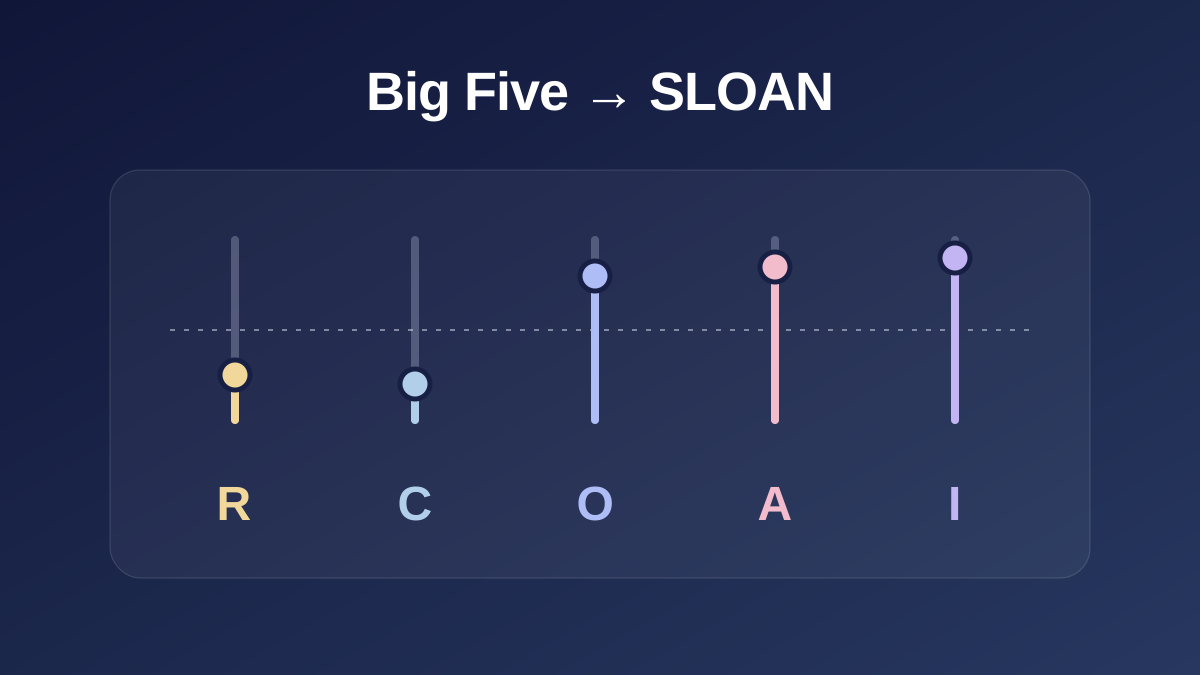
Decode your SLOAN personality code, see how it connects to the Big Five, and learn why scores near the middle matter more than a type label.
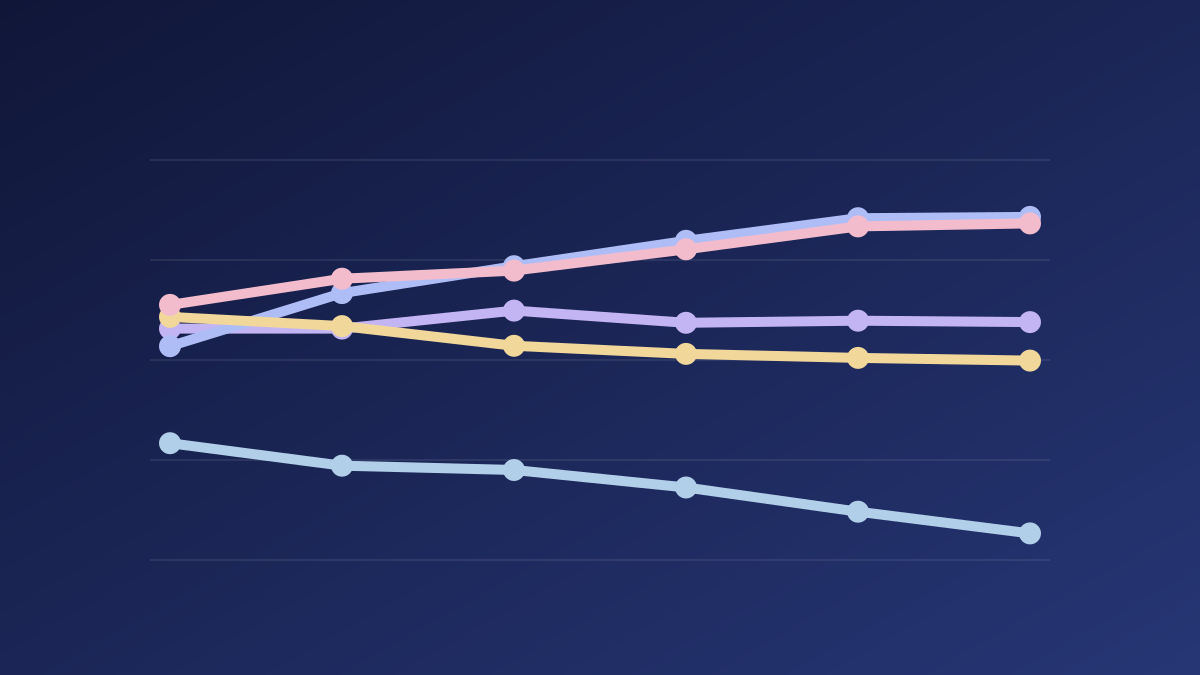
Споредете го просечниот Big Five профил на жените и мажите во која било возраст, црта по црта и фацета по фацета. Совесноста и пријатноста растат со возраста, невротицизмот опаѓа, а жените постигнуваат повисок резултат на пријатноста и невротицизмот.
Тестот се заснова на отворениот модел IPIP, бесплатен е за користење и има отворен код. Методот и прашањата се достапни за преглед.
Личност, силни страни, професионални интереси и уште многу. Резултатот го добивате веднаш.
Погледнете ги сите 34 тестовиВашата личност низ петте големи црти и 30 аспекти: отвореност кон искуства, совесност, екстраверзија, пријатност и невротицизам. Потоа споредете се со пријатели и партнер.
Explore nine personality types and the patterns you recognize in yourself. A free full profile for self-reflection.
Explore six sides of love, from chemistry and friendship to care. Get a personal profile and something to talk about.
A three-minute test of six broad traits: the Big Five plus honesty-humility. A quick overview; take the full Big Five test for facets and more detail.
Are you an introvert, an extrovert or somewhere in between? 24 statements, with your placement and a score on six facets.
Целосниот IPIP-NEO-300 со 300 прашања. Трае подолго, но дава попрецизен профил на петте црти и сите 30 аспекти.
Each Big Five trait split in two: compassion and politeness, industriousness and orderliness, and more. 100 public-domain statements give you ten aspects.
Six broad traits instead of five: the HEXACO model adds honesty-humility to the Big Five picture. 240 public-domain statements give you 24 facets.
Raymond Cattell's classic model with 16 factors, from warmth and dominance to vigilance and perfectionism. 163 public-domain statements give you a profile between opposite poles.
Вербални, фигурални и нумерички задачи за 15 минути, од тест што психолози го објавија во списанието Intelligence. Го покажува вашето размислување во три области. Не е IQ-тест.
Find your signature strengths among the 24 character strengths in Peterson and Seligman's classification, from curiosity and kindness to bravery and humor.
Find out which of eight interest areas suit you best, from leadership and creativity to analysis and practical work, and which occupations match your profile.
Which of Holland's six interest types fit you: Realistic, Investigative, Artistic, Social, Enterprising or Conventional? Get your three-letter code and matching careers, with the O*NET Interest Profiler used in career guidance across the United States.
Your profile across seven components of emotional intelligence: noticing your feelings, showing joy and distress, empathy, being moved by others, and how much feelings guide your decisions.
How strongly do you feel with others, and how much do you show it? 17 statements, with a score on two sides of empathy.
How quickly do you catch fire, and does it reach other people? 27 statements, with a score on four sides of anger.
How strongly do you react to rewards and to risks? Four scales on drive, fun seeking, reward responsiveness and caution, based on Gray's model of the brain's approach and avoidance systems.
Do you believe your life is steered by your own choices, by powerful others, or by chance? Three scales from Levenson's classic model, with your orientation explained.
Ten statements on how you value yourself and your abilities, based on Rosenberg's classic self-esteem scale. Quick, with a short explanation of your score.
Do you tend to see possibilities or difficulties? Ten statements about your outlook on life, with an explanation of your optimism score.
How satisfied are you with your life as a whole? Five statements and one minute, using one of the most widely used scales in happiness research.
A checklist of five kinds of everyday habits linked with good mental health: enjoyment, thinking habits, goals, routines and connection. With ideas for small steps.
The Short Dark Tetrad (SD4) measures four socially aversive traits found in everyone to some degree: Machiavellianism, narcissism, psychopathy and sadism.
Four sides of narcissism: the urge to lead, the need for attention, a sense of entitlement and a willingness to exploit others. Based on public-domain research scales.
How bold, how mean and how impulsive are you compared with others? Nine traits grouped into the three sides of psychopathy in Patrick's triarchic model. Measures normal variation, not a diagnosis.
The six-question screener from the WHO Adult ADHD Self-Report Scale (ASRS v1.1). Shows whether your answers are consistent with adult ADHD symptoms. Not a diagnosis.
Seven questions about worry and nervousness over the past two weeks, from the most widely used anxiety questionnaire. Shows how much the symptoms bother you. Not a diagnosis.
Nine questions about mood, sleep, energy and self-worth over the past two weeks, from the most widely used depression questionnaire. Shows how much the symptoms bother you. Not a diagnosis.
Twenty questions about how much memories, avoidance, mood and tension after a very stressful experience have bothered you in the past month. Not a diagnosis.
Twelve statements about checking, washing, order, numbers and unwanted thoughts, showing how well typical obsessive-compulsive symptoms fit you. Not a diagnosis.
The World Health Organization's ten questions on how much you drink, signs of dependence and harm, with your risk level.
Thirteen questions about exhaustion in daily life and at work, from the Copenhagen Burnout Inventory. Shows how worn out you are compared with others. Not a diagnosis.
Fourteen statements from a research-based screener for autism in adults. Shows whether your answers resemble those common in autism. Not a diagnosis.
Build the missing figure in a matrix. Choose 12, 22 or 36 tasks. A free pilot with a raw score.
Бесплатно · отворен код · без регистрација · околу 10 минути