Iyong profile
 Alex
Sagutin ang 120 pahayag
Piliin ang opsyong pinakanaglalarawan sa iyo. Walang tama o maling sagot.
Makakuha ng malalim na larawan kung paano ka mag-isip, makaramdam at kumilos, at ihambing ang sarili mo sa iyong partner, pamilya o mga katrabaho. Nakabatay ang test sa IPIP-NEO, ang bukas na modelo ng pananaliksik sa likod ng Big Five. Libre at walang sign-up.
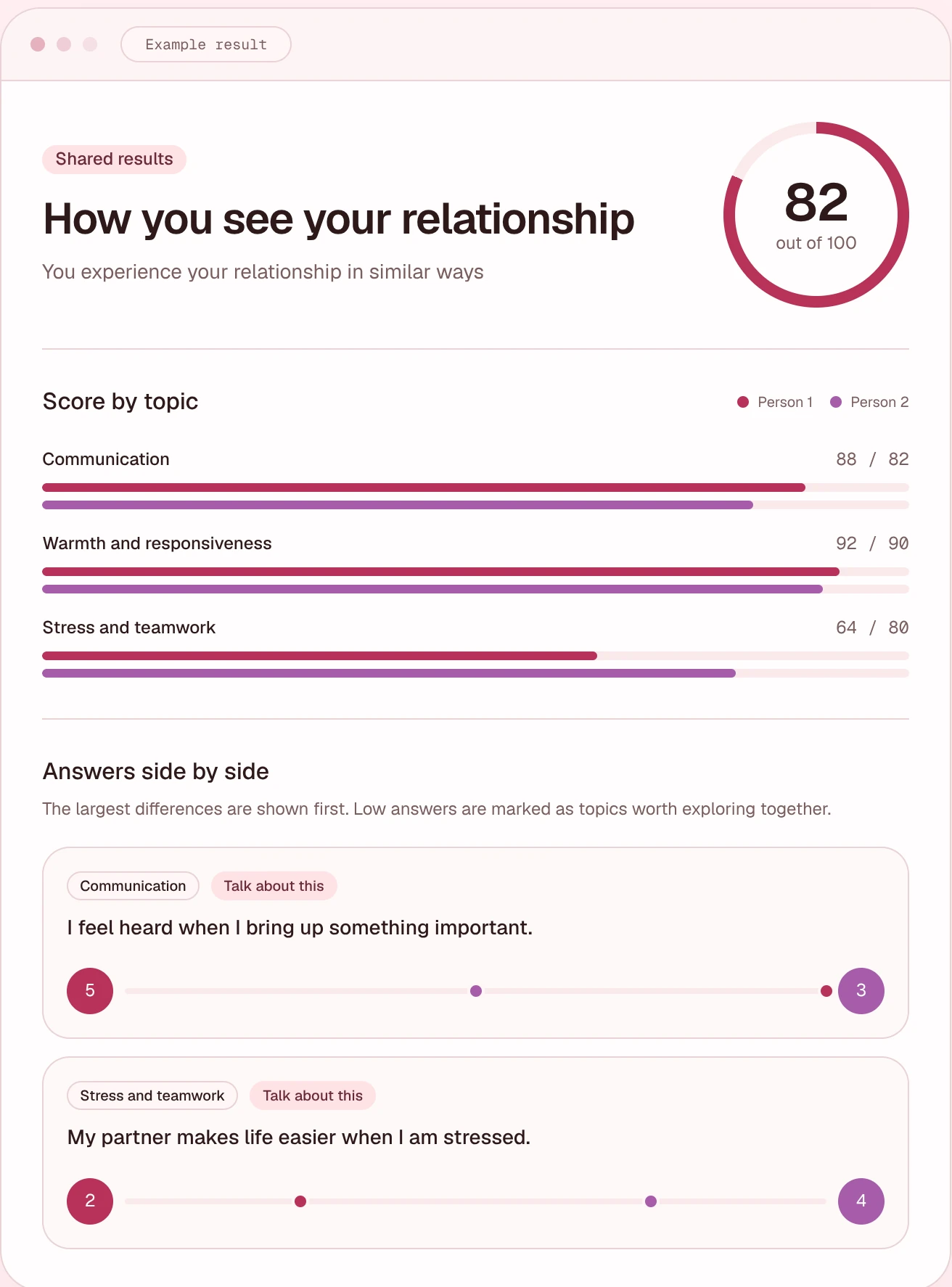
Ang iyong partner, pamilya, mga kaibigan o katrabaho. Kapag pareho na kayong nakasagot ng test, makikita ninyo nang magkatabi ang pagkakatulad at pagkakaiba, kasama ang mga konkretong paksang mapag-uusapan.
Magsimula sa sarili mong pribadong profile.
Sasagot nang hiwalay ang ibang tao.
Itinatampok ng resulta ang parehong pagkakatulad at pagkakaiba.
3malinaw na paksang mapag-uusapan
Gamitin ang pagkakaiba bilang paanyaya sa pagkamausisa, hindi bilang hatol.
Ang Pair Perspective ay ang aming relationship test. Sagutin nang magkahiwalay ang 57 tanong, pagkatapos ay tuklasin ang mga lakas na pareho kayo at ang mga pagkakaibang dapat pag-usapan.
Inilalarawan ng Big Five ang personalidad sa limang magkakahiwalay na dimensyon. Walang profile na mas mahusay kaysa sa iba – sumasalamin lamang ito sa iba't ibang lakas, pangangailangan at hilig.
Tuklasin ang iyong padronPagkamausisa, imahinasyon at interes sa mga bagong ideya.
Kaayusan, disiplina sa sarili at kung paano mo tinatrabaho ang iyong mga layunin.
Enerhiya sa pakikisalamuha, inisyatiba at pangangailangan sa stimulasyon.
Tiwala, empatiya at kung paano mo pinakikitunguhan ang ibang tao.
Libre ang test. Hindi mo kailangan ng account, at maaari kang sumagot sa sarili mong bilis.
Sagutan ang test ngayonPiliin ang opsyong pinakanaglalarawan sa iyo. Walang tama o maling sagot.
Ipinapakita ng iyong resulta ang limang pangunahing domain at 30 facet ng personalidad sa ilalim nito.
Unawain ang iyong mga padron at ihambing ang iyong resulta sa mga taong kilala mo.
Madalas kang naghahanap ng mga bagong pananaw at nasisiyahan sa mga ideyang humahamon sa nakasanayan.
Magsimula sa malinaw na pangkalahatang-ideya, pagkatapos ay tuklasin ang bawat katangian ng personalidad at kung ano ang maaaring kahulugan ng iyong mga iskor sa pang-araw-araw na buhay.
Inilalarawan ng iyong profile ang mga hilig, hindi ito diyagnosis o tiyak na sagot kung sino ka.
Masusing pagtalakay sa limang katangian, sa pananaliksik at kung paano hinuhubog ng personalidad ang pang-araw-araw na buhay.
Tingnan ang lahat ng artikuloYou can understand your anger perfectly and still lie awake replaying the argument. A new Australian study suggests why insight alone may not calm you down.
Researchers found unusually high genetic risk scores in what is probably Hitler's DNA. But can genes explain a dictator? How people have tried to measure him for 80 years.
Two teenagers go through the same hard year, and only one seems to bounce back. A new study looks at how personality, hope and childhood relate to resilience.
You hide behind a cushion. Your friend wants more. New research on psychopathic traits explores why the same scare can feel so different.
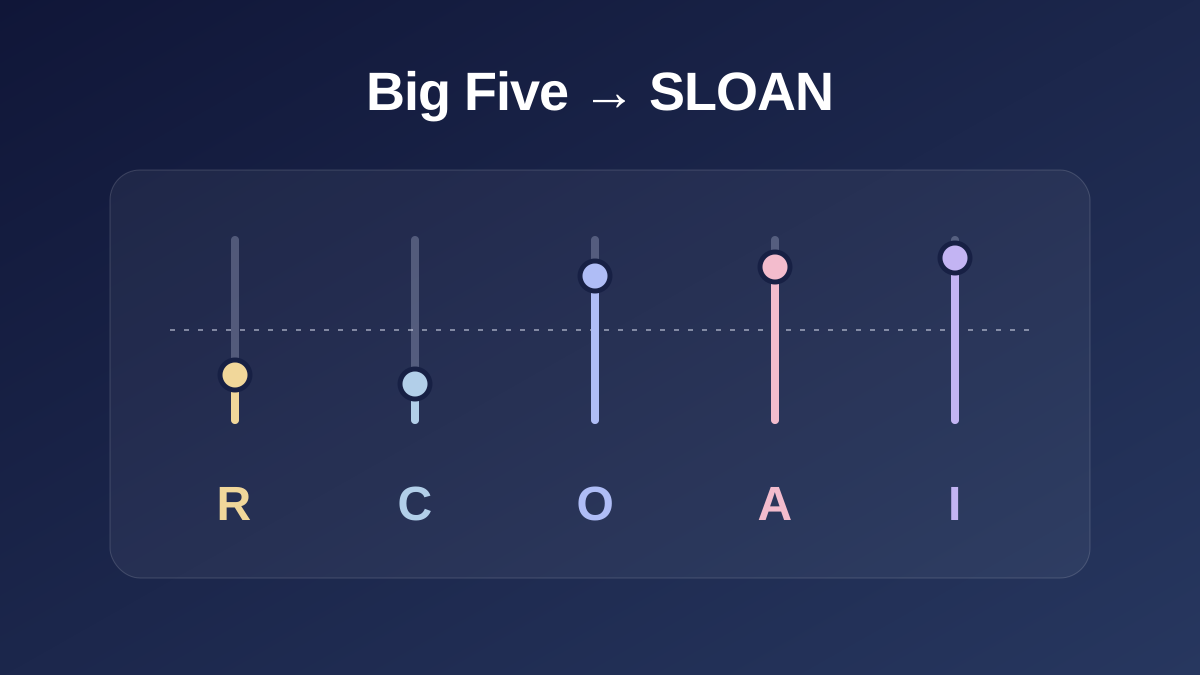
Decode your SLOAN personality code, see how it connects to the Big Five, and learn why scores near the middle matter more than a type label.
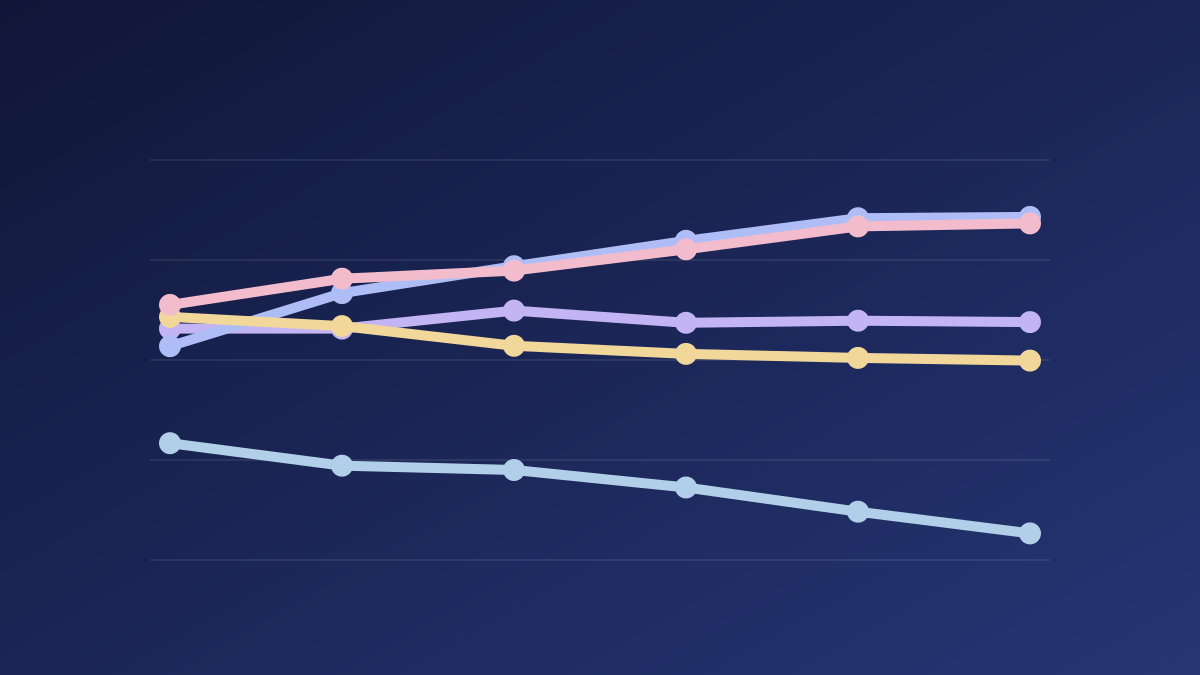
Ihambing ang karaniwang Big Five profile ng mga babae at lalaki sa anumang edad, bawat katangian at bawat facet. Tumataas ang pagiging masinop at pagiging kaaya-aya habang tumatanda, bumababa ang neurotisismo, at mas mataas ang marka ng mga babae sa pagiging kaaya-aya at neurotisismo.
Nakabatay ang test sa bukas na modelong IPIP, libre itong gamitin at open source. Bukas sa pagsusuri ang pamamaraan at mga tanong nito.
Personalidad, strengths, career interests at marami pang iba. Makukuha mo agad ang iyong resulta.
Tingnan lahat ng 36 testAng iyong personalidad sa limang malalaking katangian at 30 facet: pagiging bukas sa karanasan, pagiging masinop, ekstraversyon, pagiging kaaya-aya at neurotisismo. Ihambing pagkatapos sa mga kaibigan at partner.
Explore nine personality types and the patterns you recognize in yourself. A free full profile for self-reflection.
Explore six sides of love, from chemistry and friendship to care. Get a personal profile and something to talk about.
Is jealousy a feeling, a habit of checking, or a fear of losing someone? 16 statements, with a score on three sides.
A three-minute test of six broad traits: the Big Five plus honesty-humility. A quick overview; take the full Big Five test for facets and more detail.
Are you an introvert, an extrovert or somewhere in between? 24 statements, with your placement and a score on six facets.
Ang buong IPIP-NEO-300 na may 300 tanong. Mas matagal ito, pero nagbibigay ng mas tumpak na profile ng limang katangian at lahat ng 30 facet.
Each Big Five trait split in two: compassion and politeness, industriousness and orderliness, and more. 100 public-domain statements give you ten aspects.
Six broad traits instead of five: the HEXACO model adds honesty-humility to the Big Five picture. 240 public-domain statements give you 24 facets.
Raymond Cattell's classic model with 16 factors, from warmth and dominance to vigilance and perfectionism. 163 public-domain statements give you a profile between opposite poles.
Mga verbal, figural at numerical na problema sa loob ng 15 minuto, mula sa isang test na inilathala ng mga psychologist sa journal na Intelligence. Ipinapakita ang iyong pangangatwiran sa tatlong larangan. Hindi ito IQ test.
Find your signature strengths among the 24 character strengths in Peterson and Seligman's classification, from curiosity and kindness to bravery and humor.
Find out which of eight interest areas suit you best, from leadership and creativity to analysis and practical work, and which occupations match your profile.
Which of Holland's six interest types fit you: Realistic, Investigative, Artistic, Social, Enterprising or Conventional? Get your three-letter code and matching careers, with the O*NET Interest Profiler used in career guidance across the United States.
Your profile across seven components of emotional intelligence: noticing your feelings, showing joy and distress, empathy, being moved by others, and how much feelings guide your decisions.
How strongly do you feel with others, and how much do you show it? 17 statements, with a score on two sides of empathy.
How quickly do you catch fire, and does it reach other people? 27 statements, with a score on four sides of anger.
Is work taking over your life, or do you just work hard? 16 statements, with a score and what drives it.
How strongly do you react to rewards and to risks? Four scales on drive, fun seeking, reward responsiveness and caution, based on Gray's model of the brain's approach and avoidance systems.
Do you believe your life is steered by your own choices, by powerful others, or by chance? Three scales from Levenson's classic model, with your orientation explained.
Ten statements on how you value yourself and your abilities, based on Rosenberg's classic self-esteem scale. Quick, with a short explanation of your score.
Do you tend to see possibilities or difficulties? Ten statements about your outlook on life, with an explanation of your optimism score.
How satisfied are you with your life as a whole? Five statements and one minute, using one of the most widely used scales in happiness research.
A checklist of five kinds of everyday habits linked with good mental health: enjoyment, thinking habits, goals, routines and connection. With ideas for small steps.
The Short Dark Tetrad (SD4) measures four socially aversive traits found in everyone to some degree: Machiavellianism, narcissism, psychopathy and sadism.
Four sides of narcissism: the urge to lead, the need for attention, a sense of entitlement and a willingness to exploit others. Based on public-domain research scales.
How bold, how mean and how impulsive are you compared with others? Nine traits grouped into the three sides of psychopathy in Patrick's triarchic model. Measures normal variation, not a diagnosis.
The six-question screener from the WHO Adult ADHD Self-Report Scale (ASRS v1.1). Shows whether your answers are consistent with adult ADHD symptoms. Not a diagnosis.
Seven questions about worry and nervousness over the past two weeks, from the most widely used anxiety questionnaire. Shows how much the symptoms bother you. Not a diagnosis.
Siyam na tanong tungkol sa mood, tulog, lakas at pagtingin sa sarili sa nakaraang dalawang linggo, mula sa pinakaginagamit na palatanungan sa depresyon. Ipinapakita kung gaano ka binabagabag ng mga sintomas. Hindi ito diagnosis.
Twenty questions about how much memories, avoidance, mood and tension after a very stressful experience have bothered you in the past month. Not a diagnosis.
Twelve statements about checking, washing, order, numbers and unwanted thoughts, showing how well typical obsessive-compulsive symptoms fit you. Not a diagnosis.
The World Health Organization's ten questions on how much you drink, signs of dependence and harm, with your risk level.
Thirteen questions about exhaustion in daily life and at work, from the Copenhagen Burnout Inventory. Shows how worn out you are compared with others. Not a diagnosis.
Fourteen statements from a research-based screener for autism in adults. Shows whether your answers resemble those common in autism. Not a diagnosis.
Build the missing figure in a matrix. Choose 12, 22 or 36 tasks. A free pilot with a raw score.
Libre · open source · walang rehistrasyon · mga 10 minuto