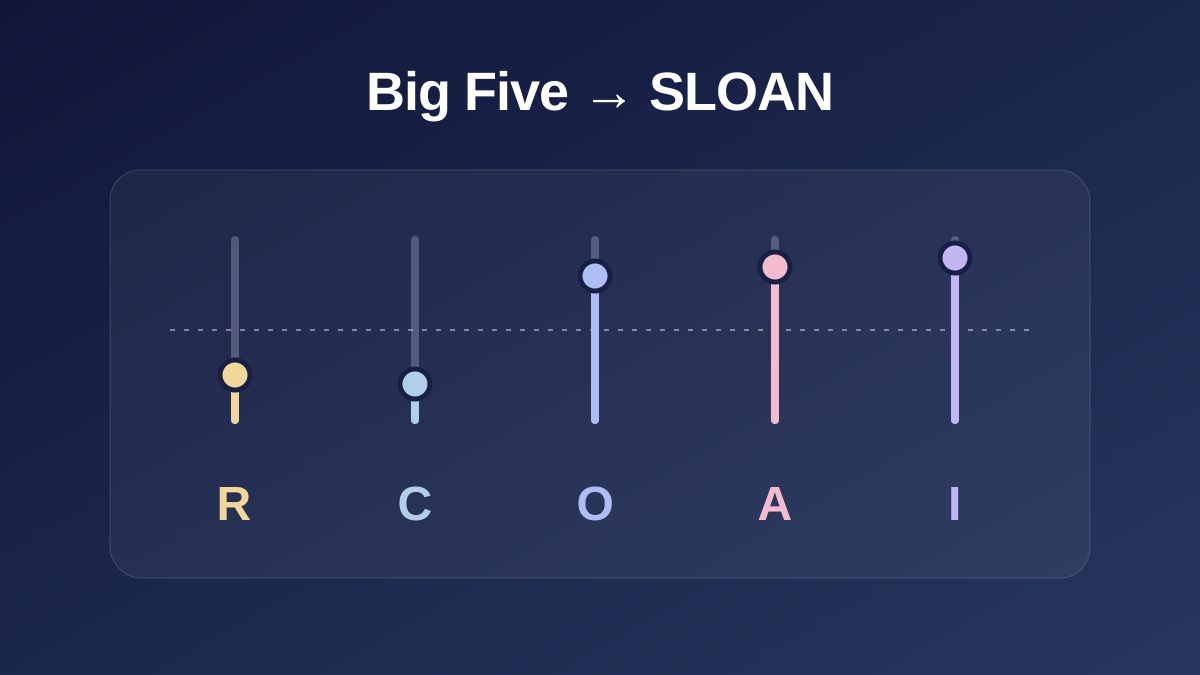
SLOAN e os Cinco Grandes: o que significa seu código de personalidade de cinco letras
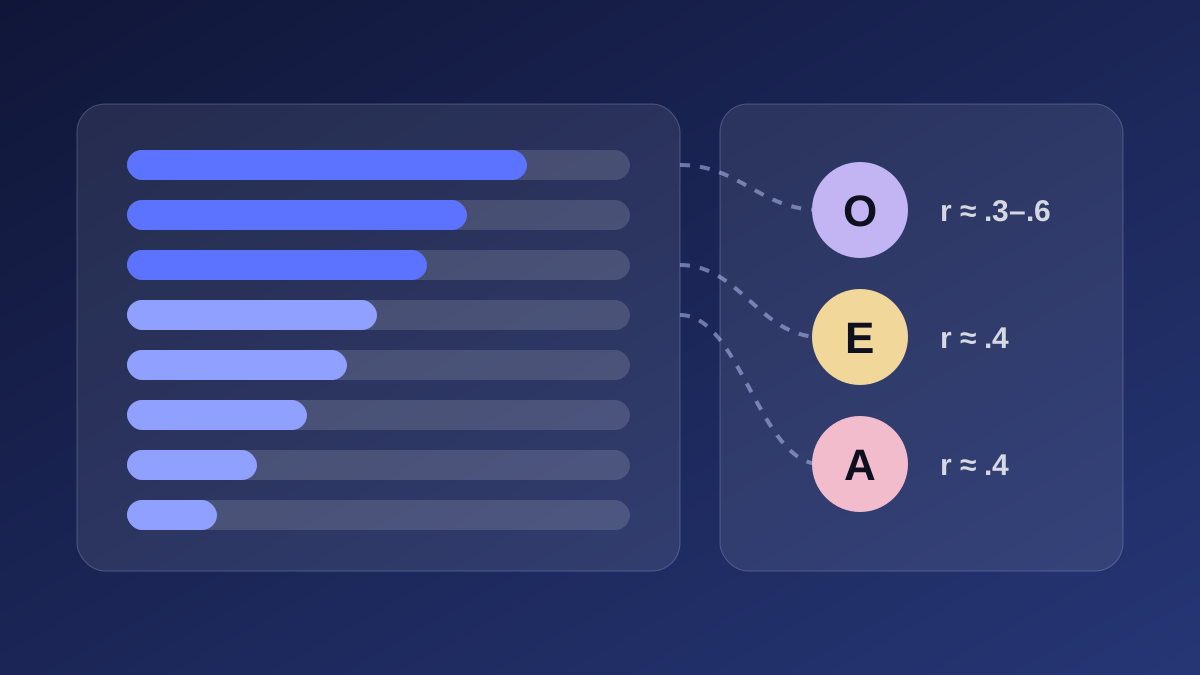
Entenda seu código SLOAN, veja sua relação com os Cinco Grandes e descubra por que pontuações próximas ao ponto médio importam mais do que um rótulo.
Aprofundamentos sobre os cinco traços, a pesquisa e como a personalidade molda o dia a dia.
Um artigo por traço, com as facetas explicadas.
Entenda seu código SLOAN, veja sua relação com os Cinco Grandes e descubra por que pontuações próximas ao ponto médio importam mais do que um rótulo.
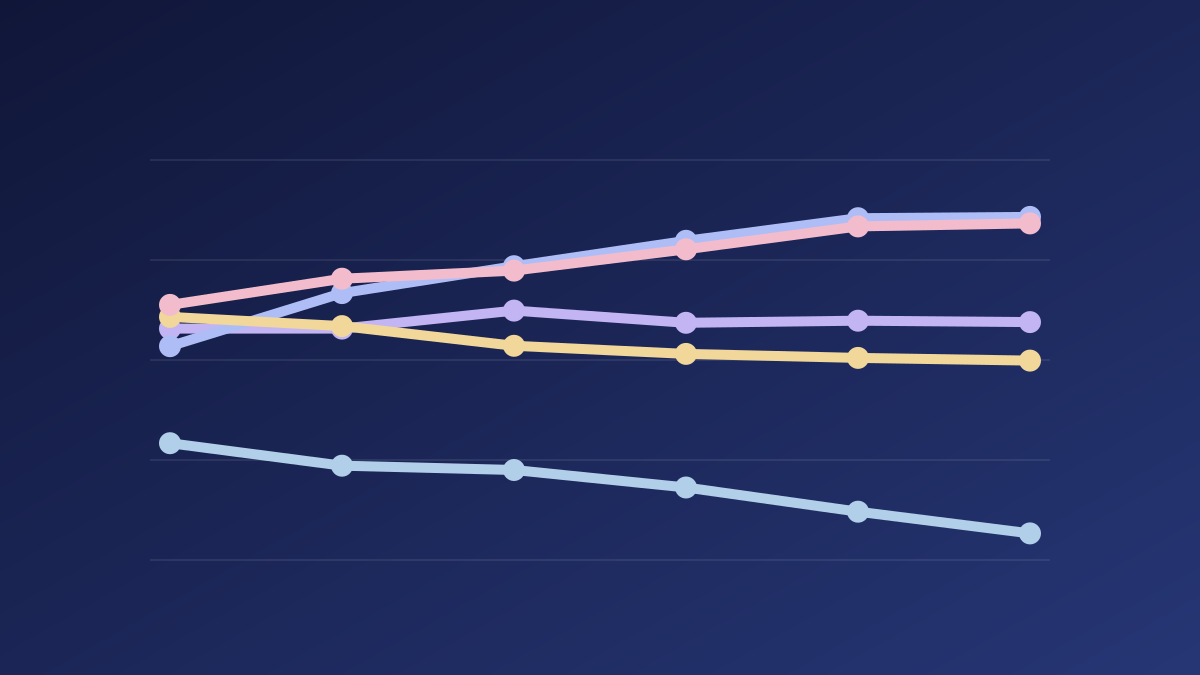
Compare o perfil médio do Big Five de mulheres e homens em qualquer idade, traço por traço e faceta por faceta. Consciência e afabilidade aumentam com a idade, o neuroticismo diminui, e as mulheres pontuam mais alto em afabilidade e neuroticismo.
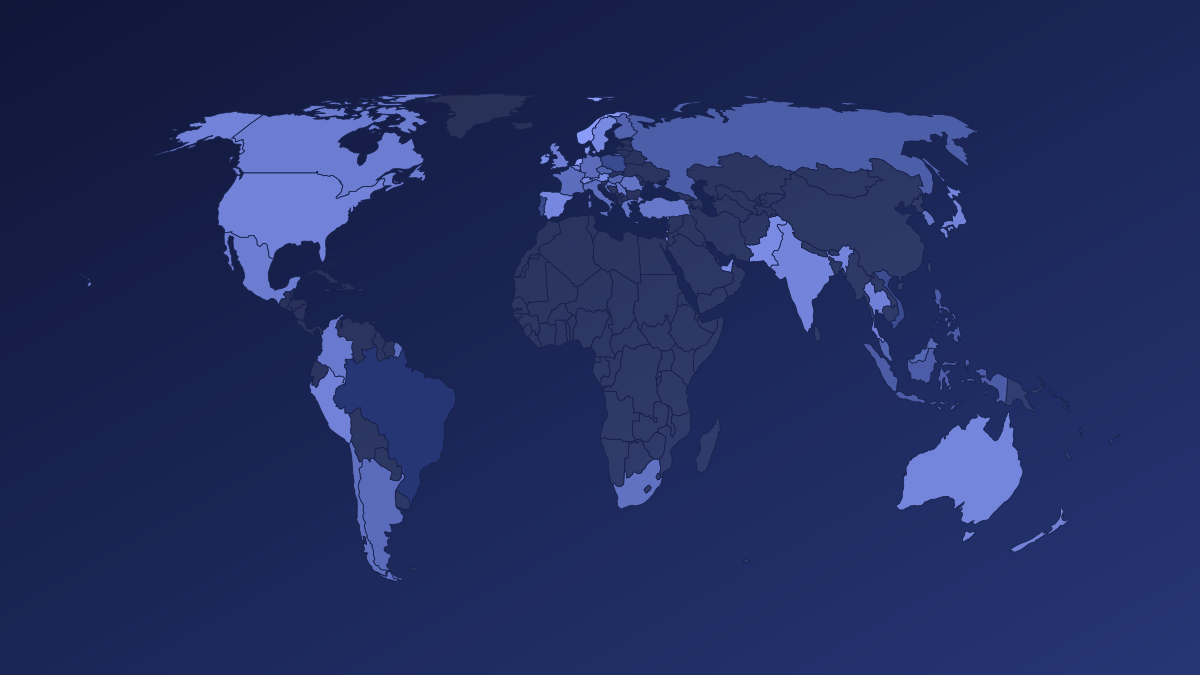
Um mapa-múndi do Big Five com dados de 584.535 pessoas em 48 países. Países Baixos e Noruega aparecem como os mais extrovertidos, o Brasil como o menos. Explore cada traço e cada país e veja por que comparações entre países pedem cuidado.
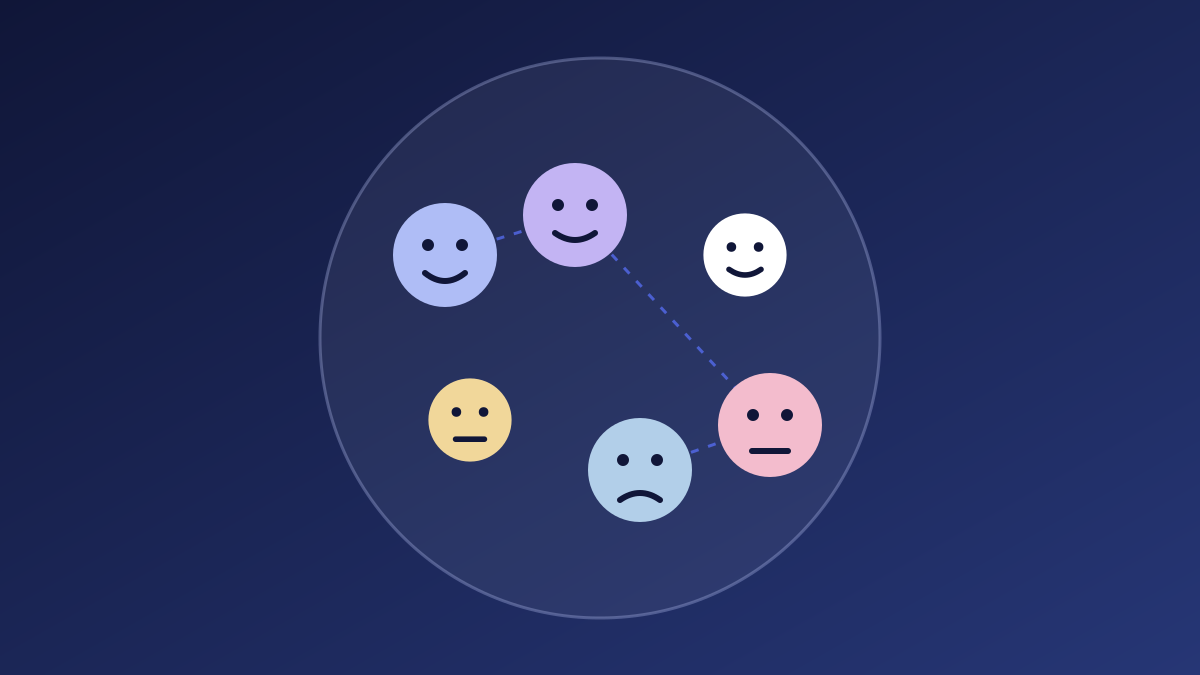
Julgamos desconhecidos em uma fração de segundo. Um novo estudo na Nature Human Behaviour mostra como essas primeiras impressões se organizam e por que elas dizem mais sobre estereótipos do que sobre a personalidade real.
O que são os nove tipos do Eneagrama, quão confiáveis são seus testes e como cada tipo se relaciona com os traços Big Five, segundo uma revisão de 104 estudos.
Seus interesses não são apenas sua personalidade no trabalho. Eles estão entre as características mais estáveis que você tem e preveem a satisfação no trabalho, o desempenho e as escolhas de vida. Faça o teste de interesses profissionais grátis.
Curiosidade, bondade, bravura, humor e mais 20. Quais são as 24 forças de caráter, quais estão ligadas à felicidade e por que usar suas principais forças pode fazer diferença. Faça o teste gratuito de forças de caráter.
Quem tem alta abertura à experiência tende a preferir música complexa e pouco convencional, mas a ligação entre música e personalidade é menor do que se pensa.
Estudo britânico com 714 adultos indica que quem tem mais consciência e menos neuroticismo tende a se sentir mais adulto, independentemente da idade.
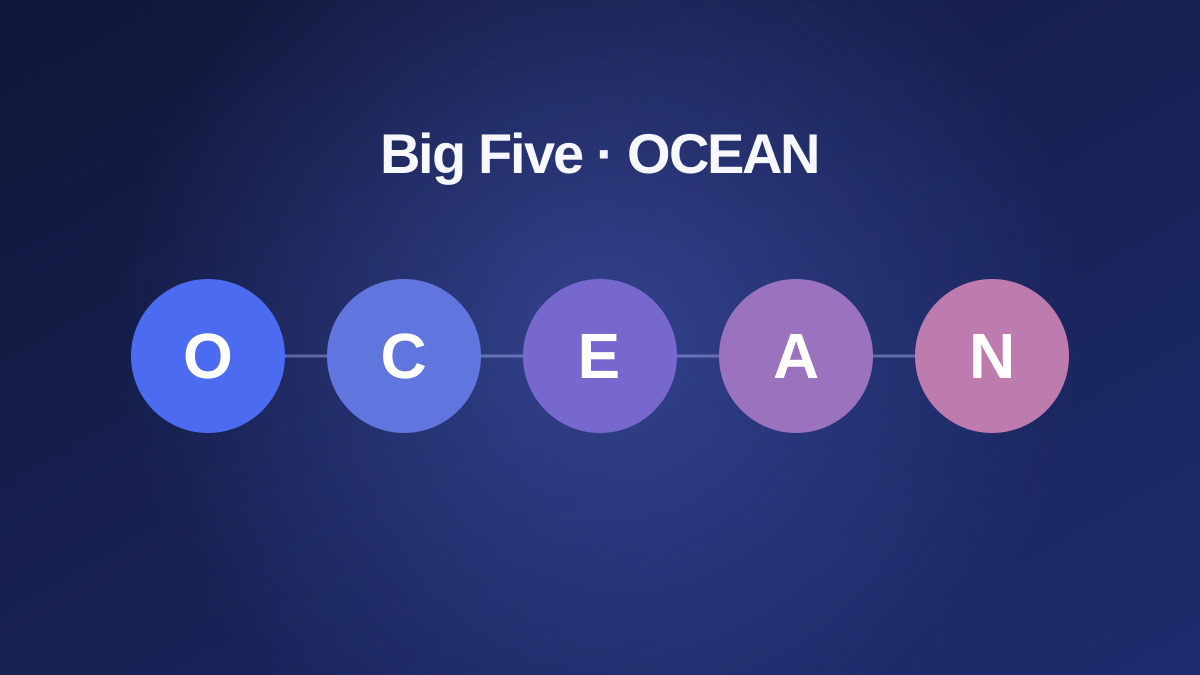
Os cinco traços Big Five (OCEAN) e suas 30 facetas, de onde vem o modelo, como ele é medido e o que pontuações altas e baixas dizem sobre você.
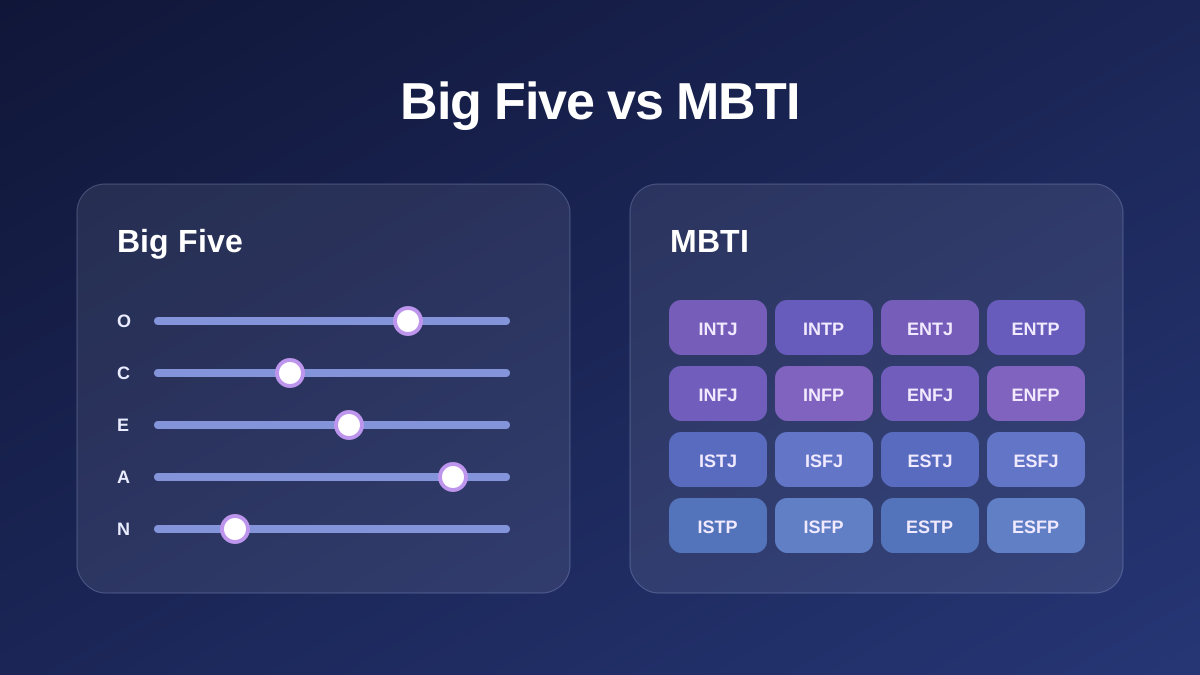
Compare Big Five e MBTI: o que cada teste mede, por que traços diferem de 16 tipos e qual abordagem ajuda mais a compreender sua personalidade.
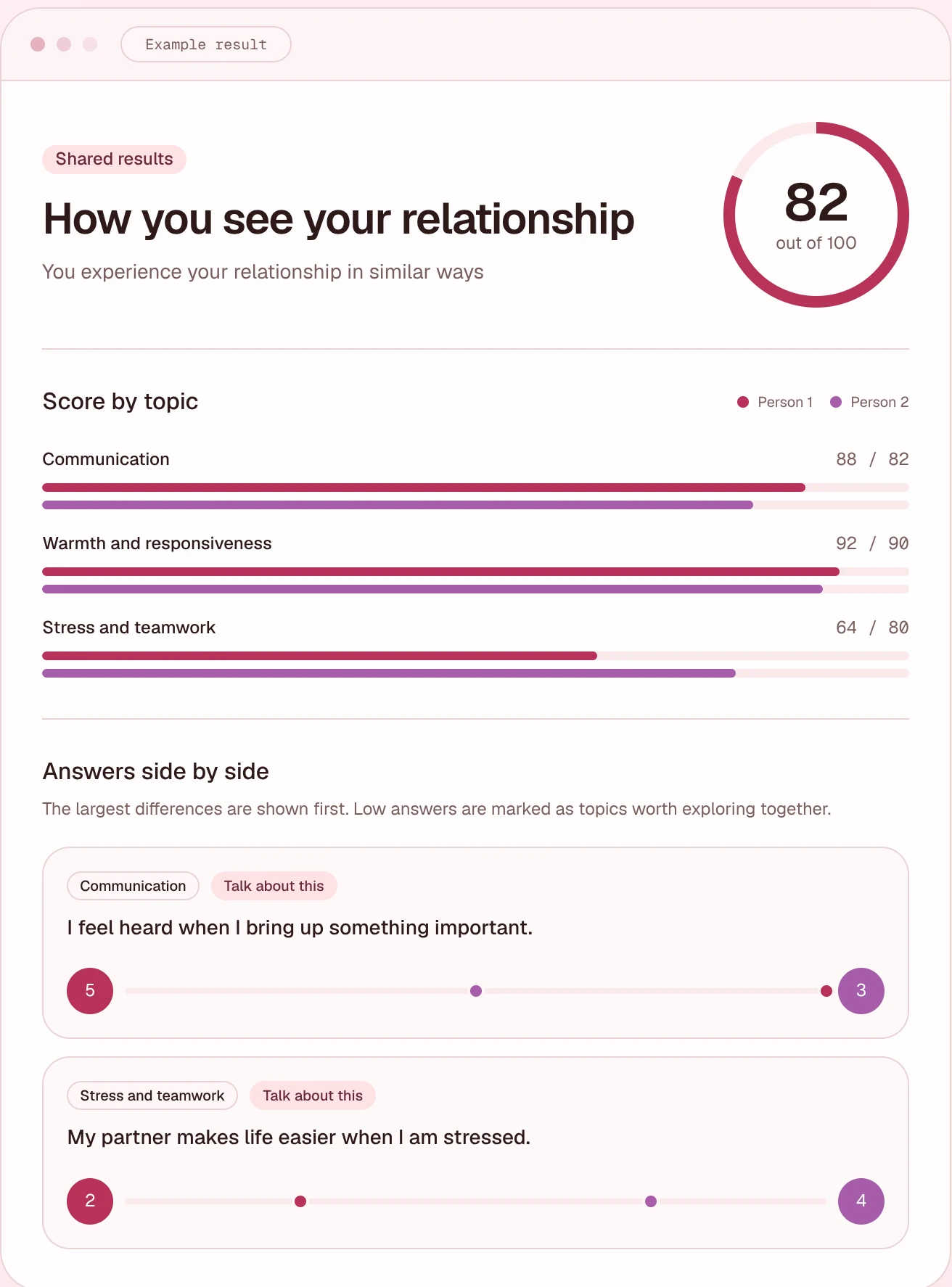
Descubra o quanto você e seu parceiro vivem o relacionamento de forma parecida com o Pair Perspective, um teste gratuito e privado de 57 perguntas para casais.
This article explores why some individuals are more vulnerable to stress and mental health issues than others, using the vulnerability-stress model to explain the role of genetic, environmental, and psychological factors.
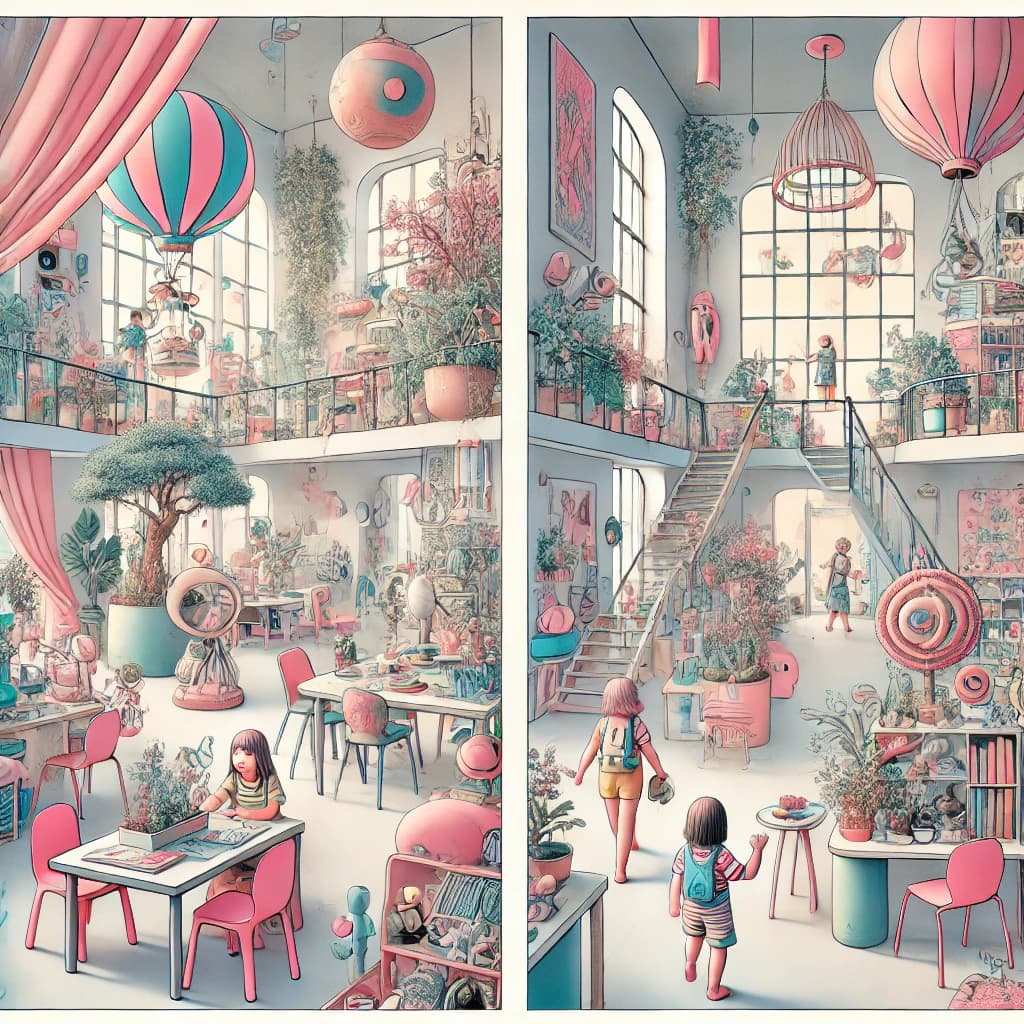
This article explores simple self-care practices, such as nature activities, mindfulness, and creative play, that promote children's physical, emotional, and intellectual growth, fostering resilience, creativity, and empathy.
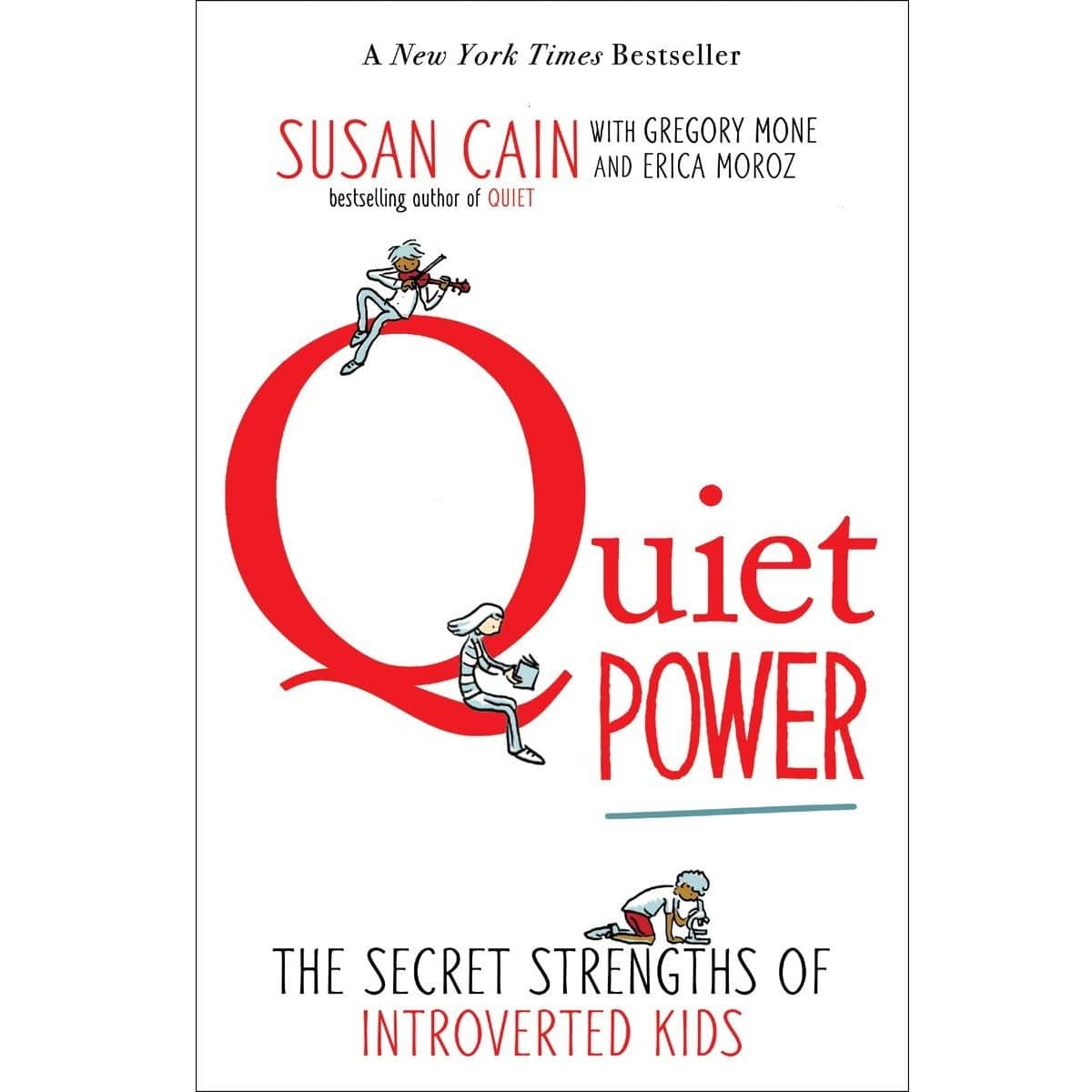
Do you feel uncomfortable in social settings? You might be an introvert, and this book can help you understand yourself better
This article explores the evolution of personality theory from its mythological origins in ancient Greece to contemporary psychological frameworks, highlighting key concepts and tools like the MBTI and the Big Five personality traits model.
This article explores the impact of the Big Five personality traits on job performance, highlighting their significance in employee productivity and organizational psychology.
Learn practical strategies to repair and improve communication in your relationship, addressing negative styles, managing emotions, and fostering collaboration for a healthier connection.
A recent study links disturbances in the gut microbiota of infants to the development of ADHD and autism later in life, highlighting the potential impact of gut health on neurodevelopment.
A recent study found that belief in astrology is associated with lower intelligence and higher levels of narcissism, suggesting that such beliefs may not be as benign as they seem.
A Danish study identifies 19 life circumstances that significantly increase the risk of suicide attempts among young people, offering new insights for effective prevention strategies.
Practical strategies for preventing anxiety and enhancing mental wellness, promoting a life of greater peace and reduced stress.
Self-efficacy, crucial for motivation and performance, can be enhanced through clear instructions, training, achievable goals, constructive feedback, supportive environments, and positive role models, ultimately fostering a motivated and resilient workforce.
Why the Myers-Briggs Type Indicator (MBTI), despite its popularity, is considered pseudoscience due to its lack of scientific validity, reliability, and its outdated theoretical basis.
This blog post traces the life and legacy of Carl Jung, highlighting his pioneering contributions to psychology, particularly his development of Analytical Psychology, the concepts of the collective unconscious and archetypes, and his enduring influence across various fields.
The life, career, and impact of Jordan B. Peterson, highlighting his rise from an academic psychologist to a prominent and controversial public intellectual.
Sim, em média. As mulheres pontuam mais alto em neuroticismo e amabilidade; os homens, em assertividade e intelecto. Veja o tamanho das diferenças e por que elas são maiores nos países com mais igualdade de gênero.
Discover how higher cognitive abilities can lead to more realistic optimism and better financial decisions, balancing hope with practical foresight.
This article provides an overview of schizotypal personality disorder, detailing its symptoms, differences from schizophrenia, and available treatments to help manage the condition.
This article explores the life, key theories, and enduring impact of Sigmund Freud, the pioneering neurologist and father of psychoanalysis.
Discover the transformative power of emotional intelligence and learn how it can enhance your mental health, relationships, and overall life success.
This study explores the relationship between belief in conspiracy theories and various personality traits, identifying key factors that influence these beliefs and suggesting implications for targeted interventions.
Who created the Big Five? No single person. Allport and Odbert, Cattell, Tupes and Christal, Goldberg, Costa and McCrae built it over 60 years. Timeline and sources.
A study of 1,432 people found that poor flirting capacity was the strongest predictor of being involuntarily single, for both men and women. The good news: it can be learned.
This article explores recent scientific findings that suggest personality traits are not fixed, but can change throughout our lives due to experiences and targeted interventions.
Explore how key personality traits like extraversion, neuroticism, and conscientiousness can influence whether you're likely to be single or romantically partnered
A study examines how personality traits like extraversion, conscientiousness, and agreeableness affect the satisfaction of basic psychological needs such as autonomy, competence, and relatedness.
Narcisismo, maquiavelismo, psicopatia e sadismo formam a Tríade Sombria e a Tétrade Sombria. As pesquisas mostram que eles têm um núcleo comum, o Fator Sombrio da Personalidade (D). Veja o que ele é e como se relaciona com o Big Five.
How the Big Five traits relate to relationship satisfaction: why neuroticism tends to hurt, why agreeableness, conscientiousness and extraversion help, and the role of self-esteem.
Explore recent research on lie detection, emphasizing the unreliability of nonverbal cues and advocating for a focus on verbal indicators and evidence-based methods.
Australian researchers followed 17,000 people and found links between personality and serious illness, from extraversion and heart disease to agreeableness and cancer.
Conscientious people tend to live longer. How healthier habits, following medical advice and better biological markers explain the link between conscientiousness and longevity.
This article explores how the Big Five personality traits affect academic performance, highlighting the significant influence of Openness and Conscientiousness on success in school settings.
Explore how the COVID-19 pandemic has surprisingly transformed our personalities, revealing shifts in traits like conscientiousness, extraversion, and neuroticism.
A study revealing that disagreeable traits like selfishness and manipulation do not aid in gaining power at work, contrasting with the positive correlation between extraversion and career advancement.
Agreeable and extraverted people tend to give away more when haggling over price, but do better when a deal can grow. Here is what research says about personality and negotiation, and how to use your traits.
Groundbreaking research that reveals stark contrasts in personality traits between psychopathic prisoners, non-psychopathic prisoners, and general patients, offering new insights into human behavior and psychology.
This article explores the spectrum of narcissism, its traits, impacts on relationships and professional environments, and differentiates between common narcissistic behaviors and Narcissistic Personality Disorder.
This article explores the meaning of introversion, debunks common myths, and celebrates the unique strengths of introverts in a world often dominated by extroverted ideals.
Can childhood trauma speed up ageing? New research links adverse childhood experiences to weaker mitochondria and shorter telomeres, and points to what can help.
Discover the fascinating insights into the human mind with Paul Bloom's free online Yale course, "Introduction to Psychology," covering topics from mental illness to the roots of happiness.
This article explores the integration of Positive Organizational Psychology 2.0 and the Talent Development Centre framework into Leadership Development Programs in Indian and Canadian organizations to optimize leadership effectiveness across diverse cultural contexts.
A Afabilidade reflete diferenças individuais na preocupação com a cooperação e a harmonia social. As pessoas afáveis valorizam se dar bem com os outros.
A Consciência diz respeito à forma como controlamos, regulamos e direcionamos nossos impulsos. Os impulsos não são ruins por natureza; às vezes, a pressão do tempo…
A Extroversão é marcada por um envolvimento intenso com o mundo externo. Os extrovertidos gostam de estar com pessoas, são cheios de energia e frequentemente vivenciam emoções positivas.
O Neuroticismo refere-se à tendência a vivenciar sentimentos negativos. Freud usou originalmente o termo neurose para descrever uma condição marcada por angústia…
A Abertura à Experiência descreve uma dimensão do estilo cognitivo que distingue as pessoas imaginativas e criativas das pessoas práticas e convencionais.